Internal pressure is one of those transformer parameters that rarely gets attention until something goes wrong. Yet a pressure increase in transformers, even a modest one, can be an early signal of oxidation, moisture ingress, or a developing insulation problem. Transformers fitted with an Automated Inert Gas Conservation System (AIGCS) are built to detect and respond to exactly this kind of change before it turns into a real fault.
This article looks at what actually happens when pressure increases in transformers using AIGCS, why that pressure matters in the first place, and how the automated system responds.
Why Transformers Need Controlled Internal Pressure
Oil-filled power and distribution transformers rely on their insulation oil to stay free of oxygen and moisture. The moment atmospheric air gets into the tank, oxidation of the oil begins, and moisture starts degrading the paper insulation around the windings. Both processes shorten the transformer’s operating life and increase the risk of insulation failure.
The traditional way to prevent this is to keep the space above the oil filled with an inert gas , nitrogen, at a stable, slightly positive pressure. As long as internal pressure stays within a safe band, atmospheric air simply can’t get in. The problem with conventional systems is that this pressure has to be checked and topped up manually, which means gaps in protection between inspections and a real risk of missing a slow leak or pressure buildup.
What AIGCS Does Differently
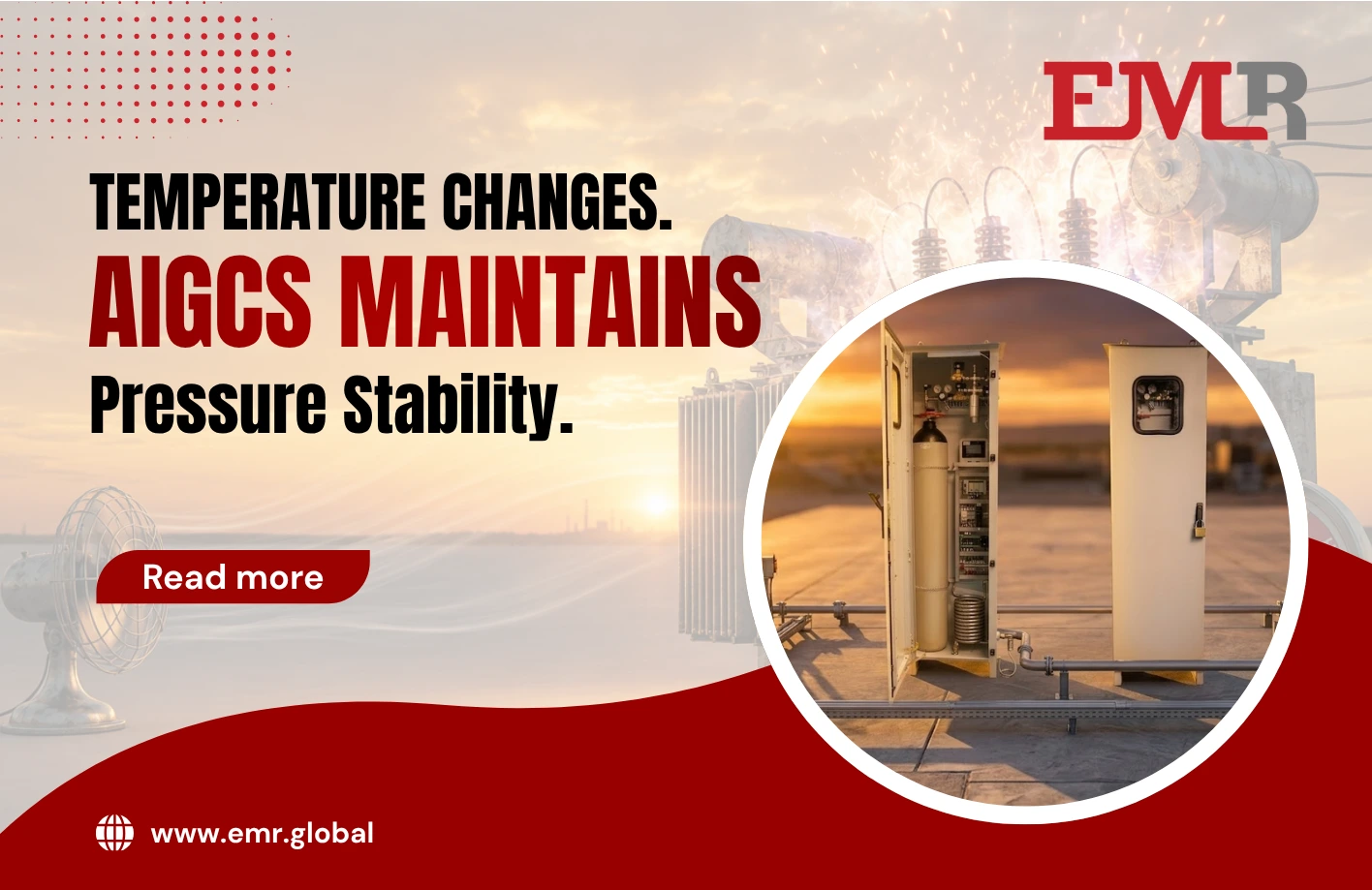
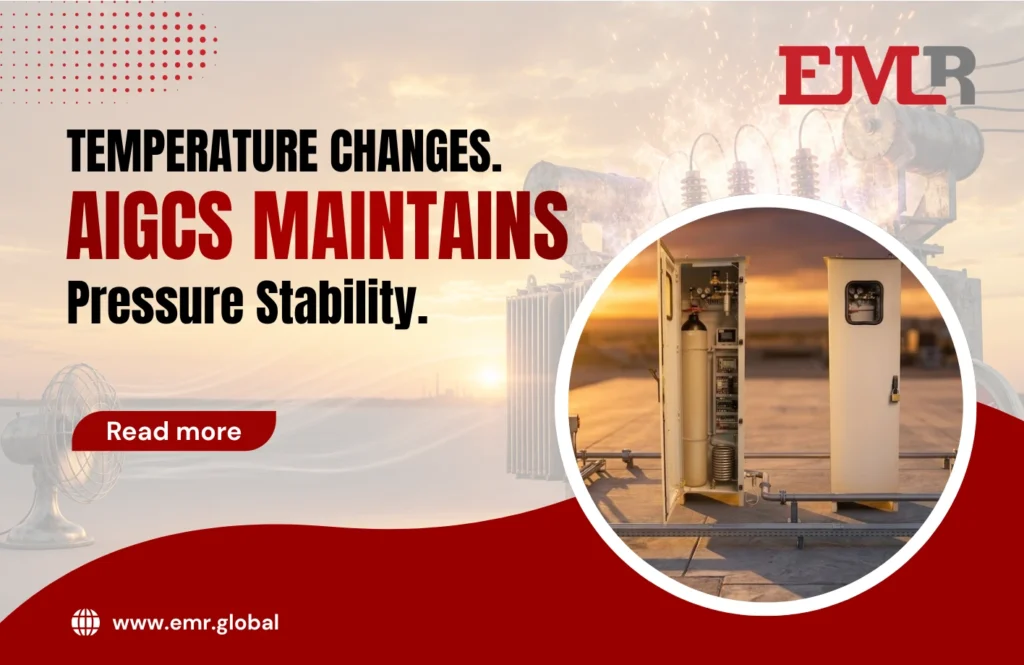
AIGCS is designed to remove that manual gap entirely. Rather than relying on scheduled checks, it maintains a consistent nitrogen pressure inside the tank automatically, adjusting continuously as conditions change. The system keeps pressure within preset values, which is what actually keeps atmospheric moisture out and protects the insulation oil from oxidation. The result is a transformer that’s protected around the clock, not just when someone happens to check the gauge.
This automated approach directly extends transformer life and improves safety, while removing the need for manual monitoring and keeping operation continuous and efficient.
What Happens When Internal Pressure Increases
So what does an actual pressure increase look like inside a transformer running AIGCS, and how does the system respond?
1. Real-time detection: Electronic pressure transmitters continuously monitor conditions at both the transformer tank and the nitrogen cylinder. As soon as tank pressure moves outside the configured range, the system registers it immediately rather than waiting for a scheduled inspection.
2. Automated correction via dual solenoid valves: AIGCS uses two solenoid valves for control , one for nitrogen inlet (SV1) and one for exhaust (SV2). If pressure rises above the upper setpoint, the exhaust valve releases gas to bring the tank back into the safe operating band. If pressure drops too low, the inlet valve injects nitrogen from the cylinder. This dual-valve arrangement is what allows the system to correct pressure changes in both directions without any operator action.
3. Precise regulation through a dual-stage regulator: A dual-stage pressure regulator manages the gas flow with precision, so the correction is gradual and controlled rather than an abrupt dump or injection of gas. This matters because sudden pressure swings can themselves stress tank seals and gaskets.
4. PLC-driven decision-making: The entire correction sequence is governed by a PLC and HMI-integrated control system, which processes the pressure readings and triggers the appropriate valve response automatically- the kind of fully automated nitrogen control that replaces manual regulation entirely.
5. Logged alerts for operators: Every pressure event, correction, and setpoint adjustment is captured through the HMI’s live alerts and logs. Instead of a technician discovering a problem during a routine walk-through, the system surfaces the event as it happens, with a record operators can review later. For sites with SCADA integration, this data is also available remotely via RS485 communication.
Why This Matters Beyond Just “Fixing the Number”
A pressure increase in transformers isn’t just a number to bring back into range; it’s often a symptom of something else happening inside the tank, whether that’s a small leak, a temperature-driven gas expansion, or a developing fault generating gas. Because AIGCS logs pressure history and correction events rather than just holding a static setpoint, it gives maintenance teams a data trail that can help distinguish routine thermal cycling from a genuine emerging issue worth investigating further.
This is also where AIGCS earns its cost and environmental advantages. Automated, precise correction uses less nitrogen overall than manual topping-up based on periodic checks, since gas is only added or released exactly when and as much as needed, supporting both efficient nitrogen conservation and environmentally responsible operation.
Where AIGCS Fits in a Transformer Protection Strategy
AIGCS is best specified for transformers where enhanced life expectancy, real-time pressure monitoring, and automated protection are genuine procurement priorities, critical grid assets and industrial installations where an unplanned outage carries high cost. It’s frequently deployed alongside other moisture and insulation protection systems, such as smart breathers and online oil filtration units, as part of a broader transformer reliability strategy rather than as a standalone fix.
Conclusion
A pressure increase in transformers is one of the clearest early indicators that something inside the tank needs attention, and with a manually managed nitrogen system, that signal can easily go unnoticed between inspections. AIGCS closes that gap with continuous pressure transmitters, dual solenoid valve control, dual-stage regulation, and PLC-driven correction, all logged through an HMI for full visibility.
EMR’s AIGCS systems are engineered for exactly this kind of round-the-clock protection, backed by retrofit support for existing transformers, spare parts, operator training, and dedicated technical support. If pressure stability and long-term insulation protection are a priority for your transformer fleet, our team can help you specify the right system.
Contact us today for a quote on EMR’s AIGCS solutions and safeguard your transformers with automated, reliable protection.