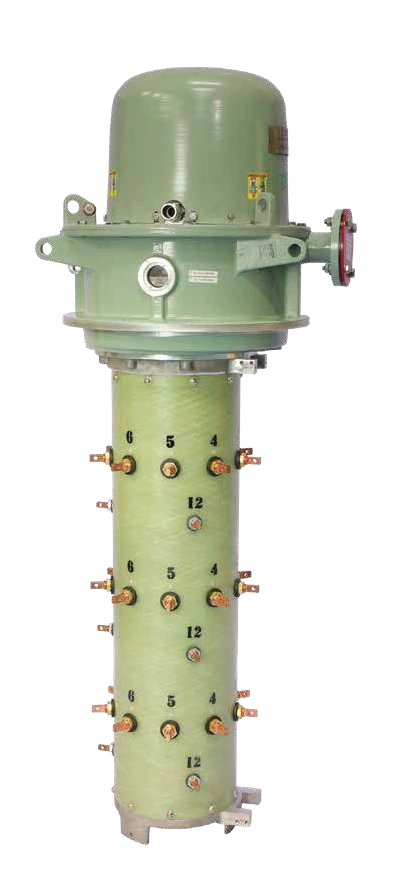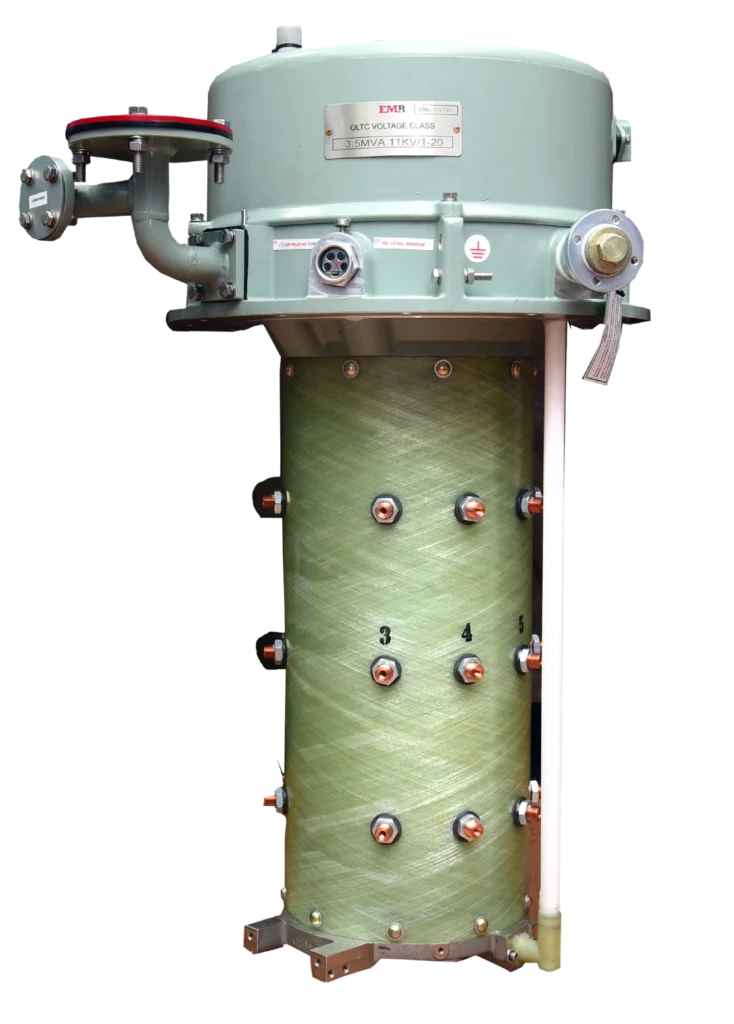
Tap Changer Failure Signs are often the earliest indicators that an on-load tap changer (OLTC) is developing faults. The on-load tap changer (OLTC) is the hardest-working component in a power transformer. It is the only part that switches contacts under load, and it does so thousands of times over its life. That constant mechanical and electrical duty makes it one of the most common causes of transformer failure and one of the most preventable, if you catch the warning signs early.
The problem is that tap changer failures rarely announce themselves with a single dramatic event. They build up gradually, through symptoms that are easy to dismiss until an unplanned outage forces the issue. This guide walks through the signs that a tap changer is degrading, why each one matters, and the first checks to perform before a minor problem becomes a costly one.
Why tap changers fail
Most OLTC failures can be traced back to a few root causes, and understanding them makes the warning signs easier to read.
Contact wear. Every tap operation draws an arc that slowly erodes the transition and main contacts. Worn contacts increase resistance, generate heat, and eventually can’t carry current reliably.
Oil degradation. Arcing fills the diverter oil with carbon and metallic particles, lowering its dielectric strength and accelerating wear. This is why OLTC oil filtration is such a critical part of maintaining tap changer health.
Mechanical wear. Springs, drive shafts, gears, and the motor drive unit all wear over time. Because the tap changer must switch quickly and completely, any weakness in the mechanism increases the risks of an incomplete or slow operation.
Moisture ingress. Water entering through breathing or ageing seals attacks both the oil and the solid insulation, and does not reverse once damage is done.
Each of these produces symptoms you can detect if you know what to look for.
Common Tap Changer Failure Signs.
1. Unstable or drifting output voltage
The tap changer’s primary job is to maintain a stable output voltage as load and source conditions change. If regulation becomes erratic voltage hunting, failing to hold the setpoint, or drifting the tap changer or its control may be struggling to operate cleanly. This is one of the most direct functional symptoms.
2. Abnormal noise during tap operation
A healthy tap change is a crisp, consistent mechanical action. Grinding, hesitation, double-clicking, or unusually loud operation can point to worn contacts, a failing drive mechanism, or a spring that is no longer delivering a fast, complete switching operation.
3. Rising contact resistance
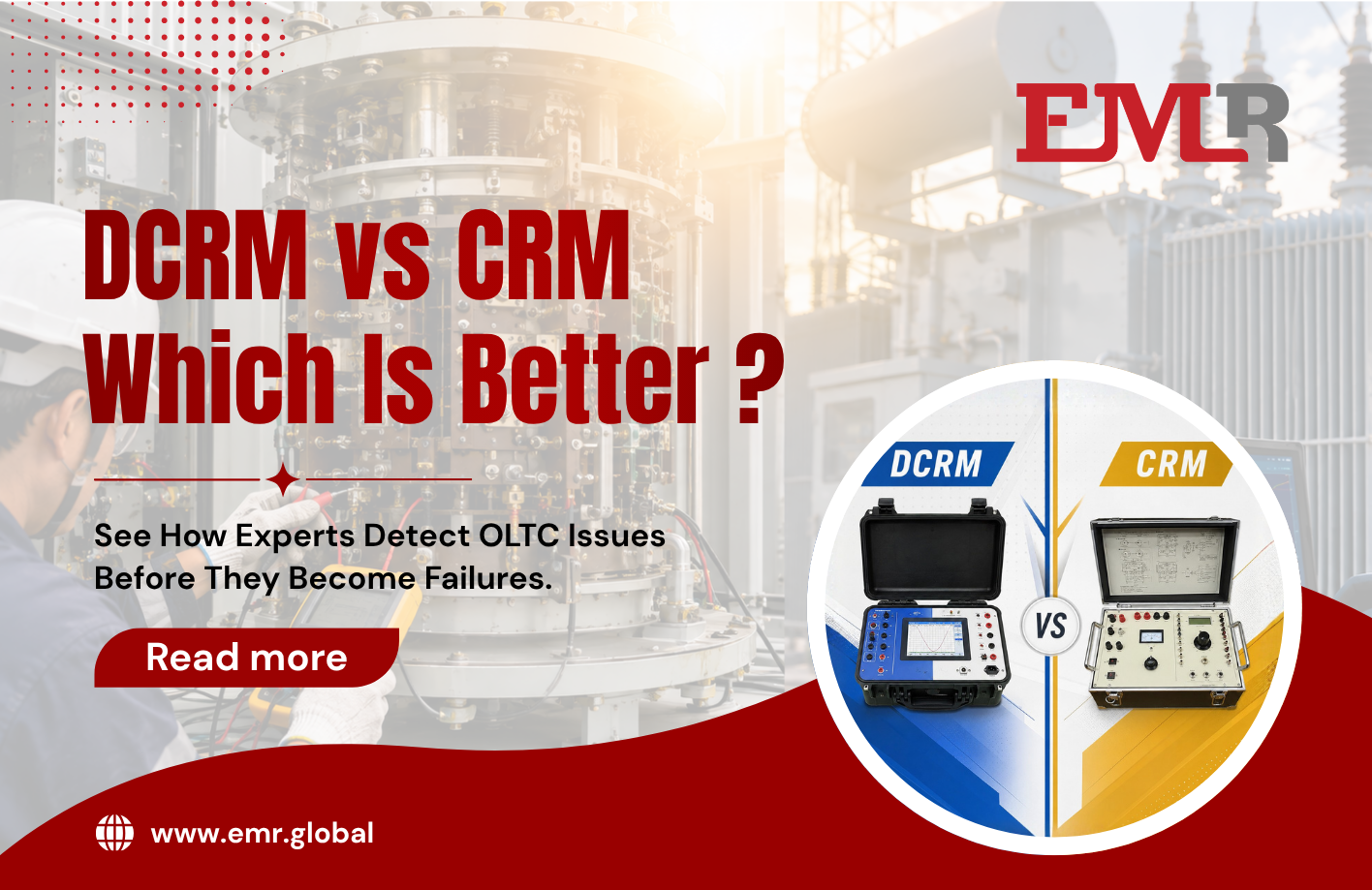
This is the single most reliable early indicator, and it is invisible without testing. As contacts wear and oil degrades, contact resistance increases. DCRM testing measures this directly and can detect problems long before they show up as heat or voltage instability which is exactly why it’s the cornerstone diagnostic for tap changers.
4. Overheating and hot-spot indications
Higher contact resistance means more heat. Signs include elevated temperature readings, discoloration, or abnormal thermal patterns around the tap changer compartment. Persistent local heating accelerates every other failure mode.
5. Dark, contaminated oil
Oil that appears dark, cloudy, or carbon-laden on sampling indicates that the diverter compartment is degrading. Falling dielectric breakdown voltage (BDV) and rising moisture content in the oil test further confirm it.
6. Abnormal dissolved gas trends
Dissolved gas analysis (DGA) specific to the tap changer compartment can reveal abnormal arcing or overheating. Sudden or abnormal changes in gas values are a recognised warning that something inside is not operating as it should.
7. Sluggish, incomplete, or failed operations
If the tap changer is slow to respond, stalls partway, or fails to complete an operation, the mechanism or motor drive unit may be at fault. An incomplete switching operation is a serious condition the tap changer must always complete its transition fully.
What to check first
When you suspect a tap changer problem, work from the least invasive checks to the most involved:
- Review the operation count. Many OLTCs are rated by number of operations. If you’re near or beyond the recommended service interval, that alone justifies a closer inspection.
- Run DCRM testing. It’s non-intrusive and gives the clearest picture of contact condition without disturbing the unit.
- Take an oil sample. Test the dielectric breakdown voltage (BDV), moisture content, and where possible perform DGA on the tap changer compartment specifically.
- Check the control and motor drive. Confirm that the drive mechanism operates smoothly and the control responds correctly.
- Inspect for external signs. Look for Oil leaks, discoloration, unusual temperature, and abnormal sound during a controlled tap changing operation.
Combining these checks rather than relying on any single reading provides a dependable assessment on whether the tap changer requires immediate service, continued monitoring, or a major intervention.
When it’s time to service, retrofit, or replace
The right response depends on what the diagnostics reveal:
- Oil is degraded but the contacts are healthy an oil service or filtration may be enough.
- Contacts are worn but the unit is sound a scheduled service with contact inspection and replacement of worn parts.
- The unit is ageing or obsolete, a retrofit can be more economical and reliable than repeatedly repairing an old tap changer.
The goal is always to act on data before failure, not after. A tap changer caught early through DCRM and oil analysis can often be restored in a planned window; the same unit if left until it fails in service can take the entire transformer out of operation.
The bottom line
Tap changers fail gradually, and every stage leaves a clue: unstable voltage, abnormal sound, rising contact resistance, hot spots, dark oil, abnormal gas, or sluggish operation. None of these should be ignored, and no signal tells the whole story. Pairing routine DCRM testing with oil analysis turns those scattered clues into a clear maintenance decision, so you replace, retrofit, or service on your schedule not on the tap changer’s.
If any of these signs sound familiar, EMR’s transformer service team can run the diagnostics and recommend whether service, filtration, or a retrofit is the right next step.
Frequently Asked Questions
What is the most reliable early sign of tap changer failure?
Rising contact resistance is the clearest early indicator, and it’s detectable through DCRM testing well before it shows up as overheating or voltage instability. That’s why DCRM is the cornerstone diagnostic for OLTCs.
Can a failing tap changer damage the whole transformer?
Yes. Because the tap changer switches under load, a serious fault such as a failed or incomplete operation, or a flashover in degraded oil can escalate and take the transformer out of service. Catching problems early prevents that.
How often should a tap changer be inspected?
It depends on the number of operations, design, and loading rather than calendar time alone. Tracking operation count and trending DCRM and oil results lets you service based on actual condition instead of a fixed date.
Is unstable voltage always a tap changer problem?
Not always it can also stem from the control system or upstream conditions. But erratic regulation is a common functional symptom of a struggling tap changer, so it warrants a DCRM test and oil check to confirm.
Should I repair or replace a failing tap changer?
It depends on the diagnostics. Degraded oil may only need filtration or an oil service; worn contacts need a service; an ageing or obsolete unit is often better addressed with a retrofit than repeated repairs.