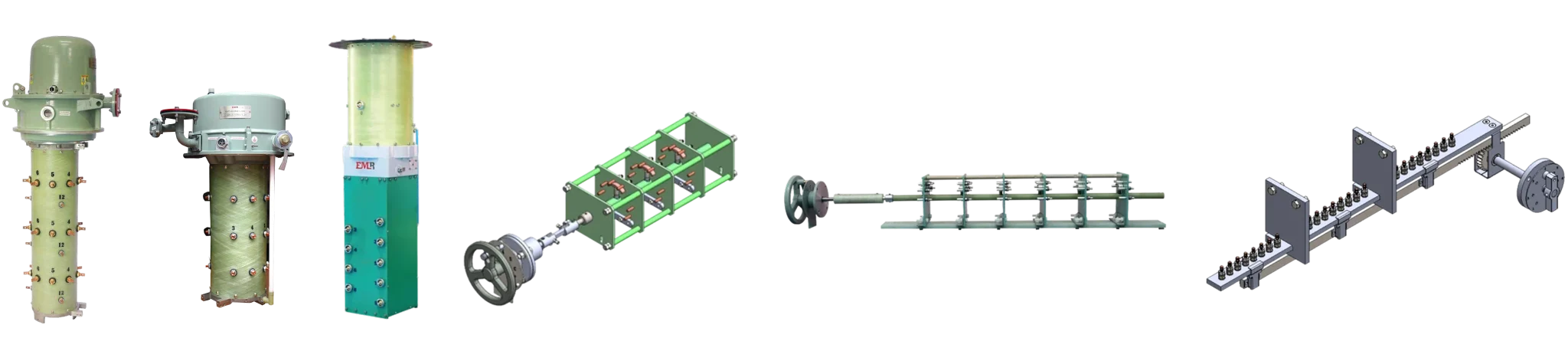
OLTC/DETC
for Distribution Transformers
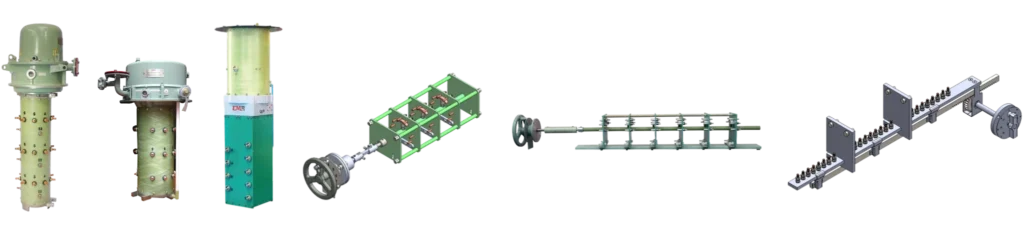
OLTC/ DETC for Distribution Transformers
DRY VAC, TYPE L & DETC
- Dry Vac
- type L
- DETC
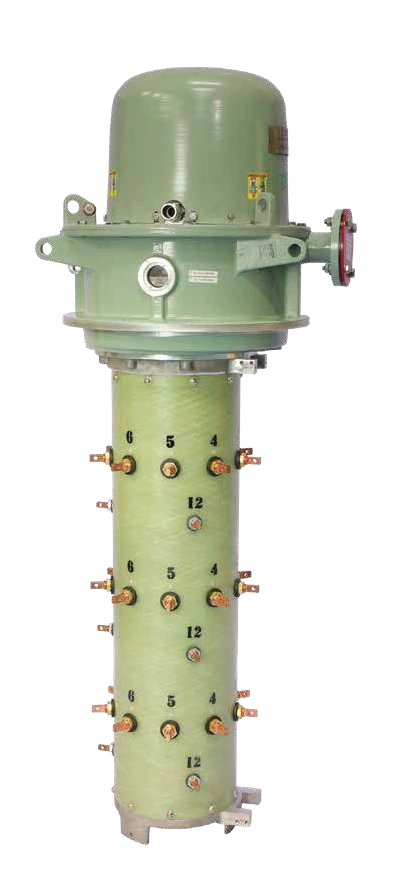
DRY VACUUM TYPE (Dry VAC)
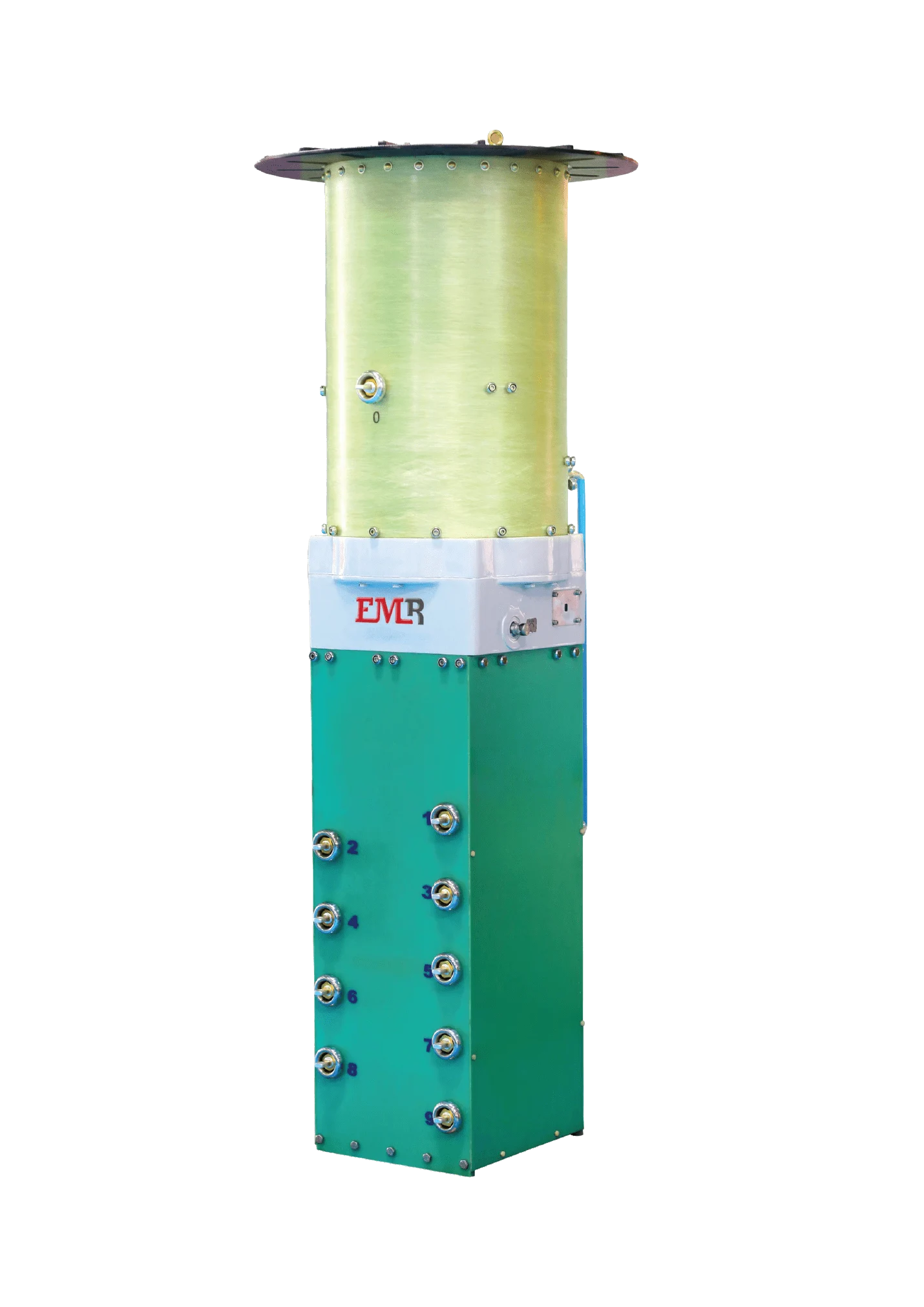
The Dry VAC has a maximum rated through-current of 500A and a max. Rated step voltage of 900V for linear voltage adjustment in nine to seventeen operating positions.
Each Dry VAC module contains a tap selector and diverter switch for high-speed resistor type tap change operation in a compact design.
The movable tap selector contact system and the diverter switch, with the spring-energy accumulator, are driven by a screw spindle.
Vacuum Interrupters are used as the switching elements which guarantees maintenance-free operation and prolonged life.
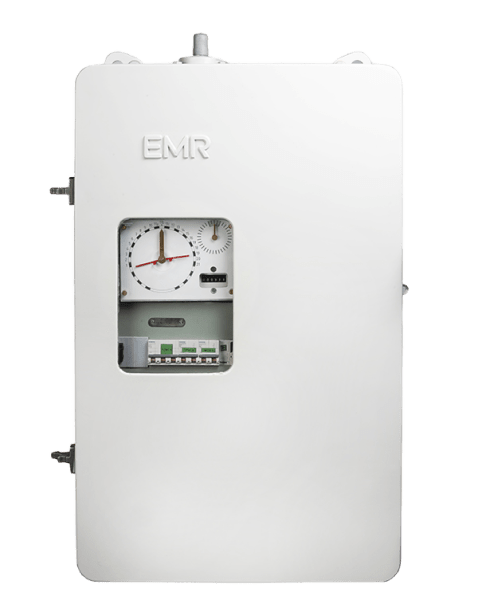
It contains all the devices required for local and remote control, for the remote display of operating positions as well as the electrical and mechanical end position limits.
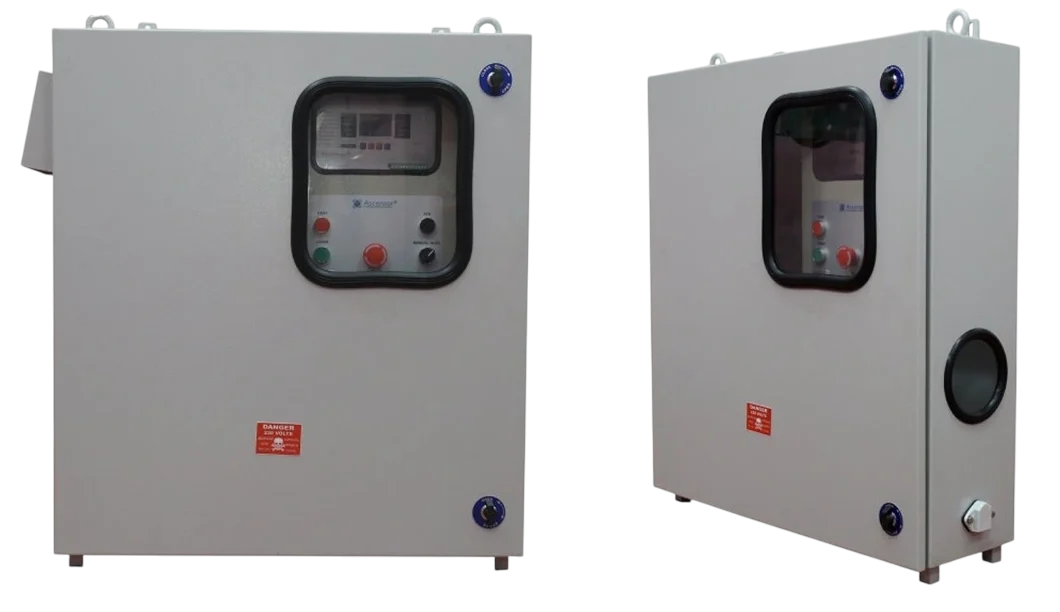
As standard equipment, a motor drive unit which functions according to the step-by-step switching principle is provided to mechanically operate the on-load tap-changer.
Its protective housing makes the motor drive unit suitable for outdoor installation, and in case of a dry-type transformer in encapsulated design it can be mounted outside the transformer tank.
Vacuum-interrupters, based on the proven vacuum technology, are used as load-switching contact elements. They guarantee excellent electrical and mechanical properties over an extremely long lifespan.
Its protective housing makes the motor drive unit suitable for outdoor installation, and in case of a dry-type transformer in encapsulated design it can be mounted outside the transformer tank.
Vacuum-interrupters, based on the proven vacuum technology, are used as load-switching contact elements. They guarantee excellent electrical and mechanical properties over an extremely long lifespan.
Electrical parameters | |||||||
TYPE | Current Rating (A) | Voltage Variants | BIL kV/kVp | Max. Rated Step Voltage (Volts) | Max. Operating Position | ||
Three Pole | Single Pole | Voltage Level (kV) | Vector | Linear | |||
DRY-VAC | 200, 300 & 500 | 200, 300 & 500 | 11 | Y, D | 85/200 | 900 | 17 |
33 | Y, D | 900 | |||||
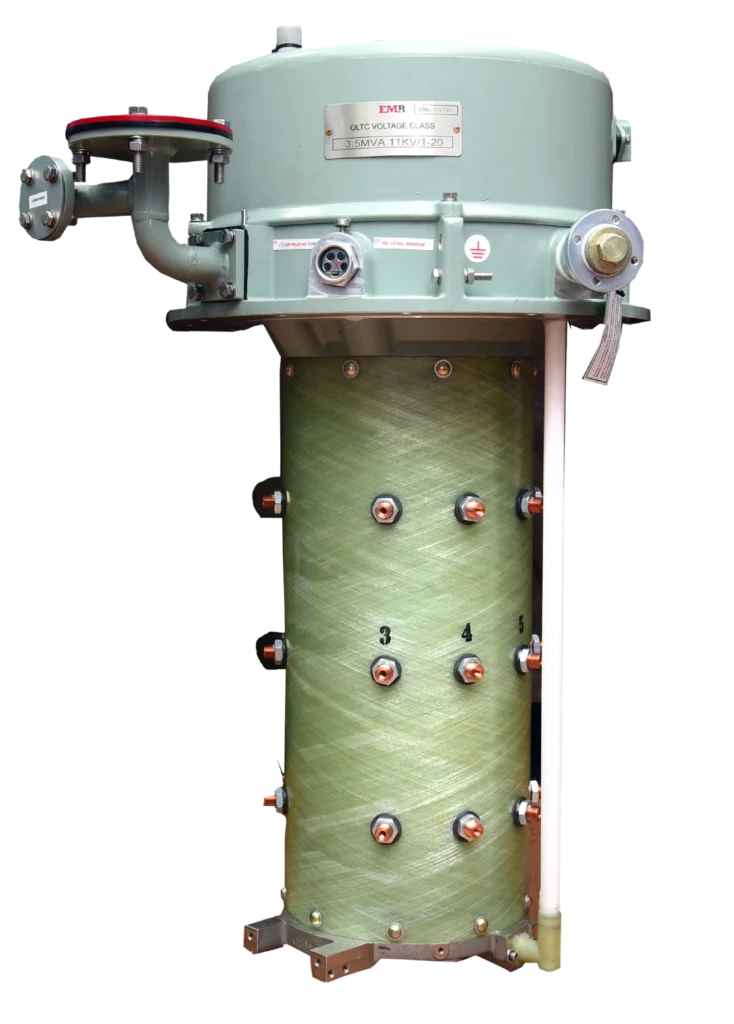
TYPE L
Integrated drive mechanism.
Designed for 500,000 operations.
No barrier board required.
No huge sealing area required, hence leak free.
Transformer size becomes very slim.
No conservator required and hence no piping costs.
Between 50,000 operations, no maintenance is needed.
Total freedom from menace of barrier board related problem.
Only half an hour time required for the inspection of OLTC.
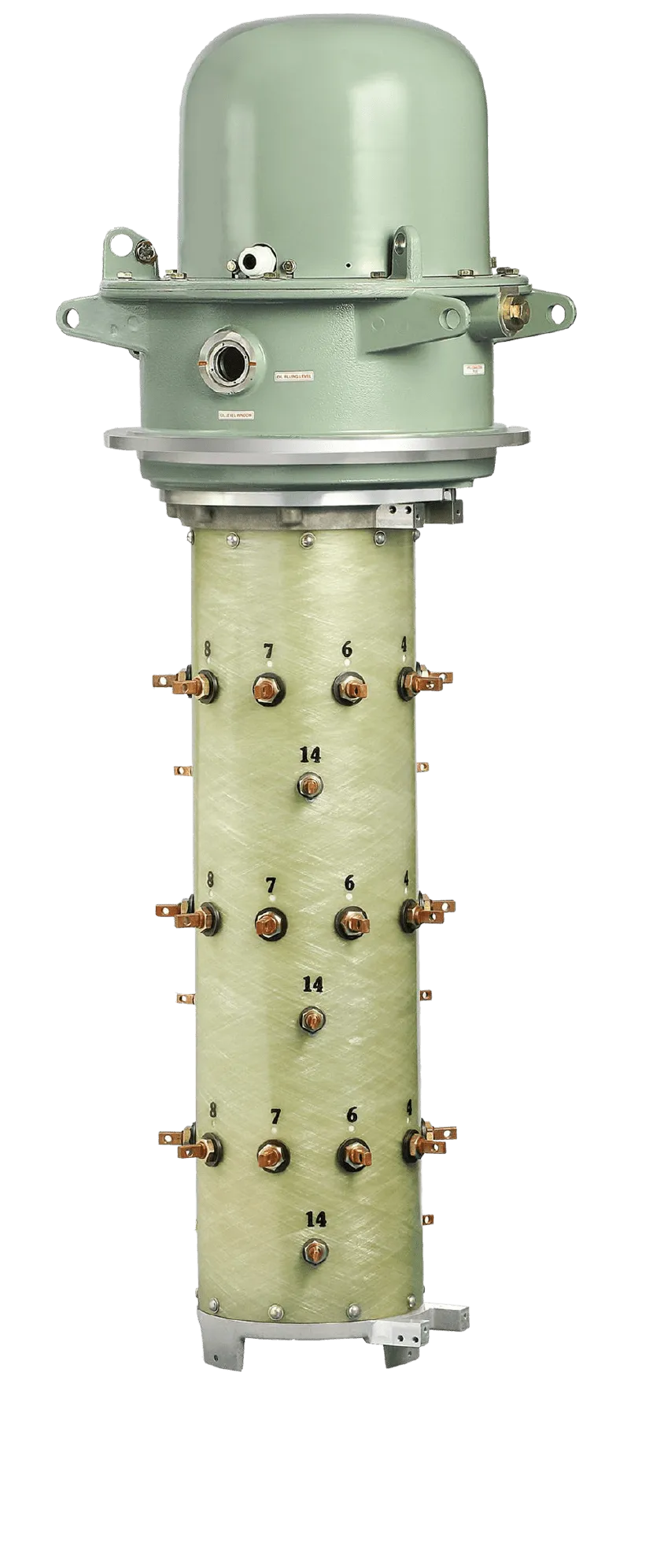
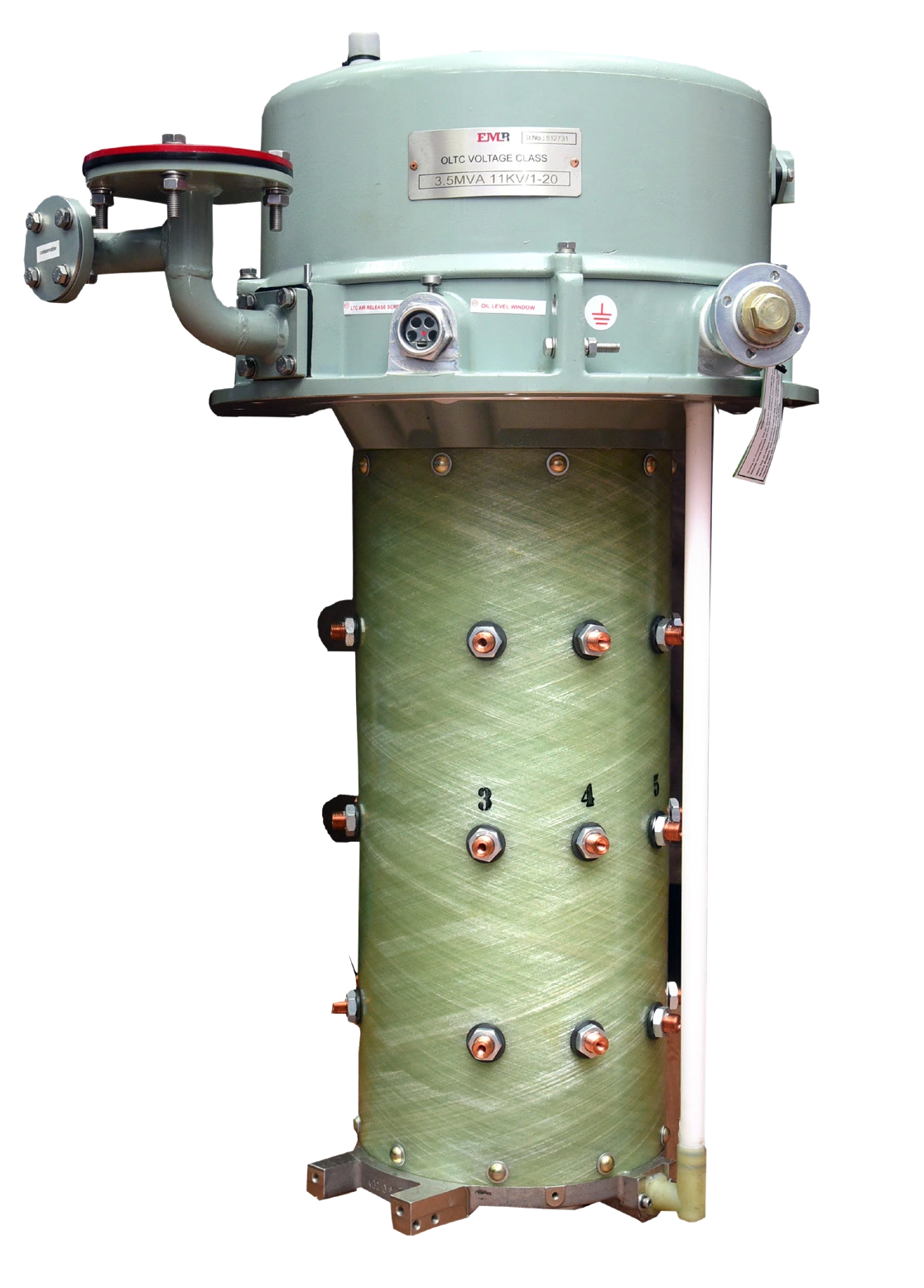
ON LOAD TAP CHANGER | L(33kV) | L(11kV) |
Voltage Class | 33kV | 11kV |
Current Rating | Max 200Amps | Max 150Amps |
No.of Taps | Max 17 | Max 09 |
No.of Phase/Deck | 03 | 03 |
Connection | Selector Type | Selector Type |
Operation | Motorized | Motorized |
Mounting | Cover Mounting | Cover Mounting |
Cooling Medium | Transformer Oil | Transformer Oil |
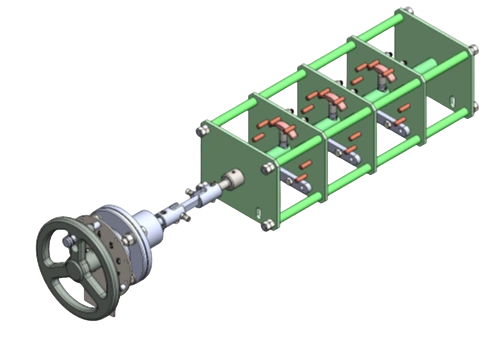
DETC
OC-P
P = Pad mounted
11 to 33kV
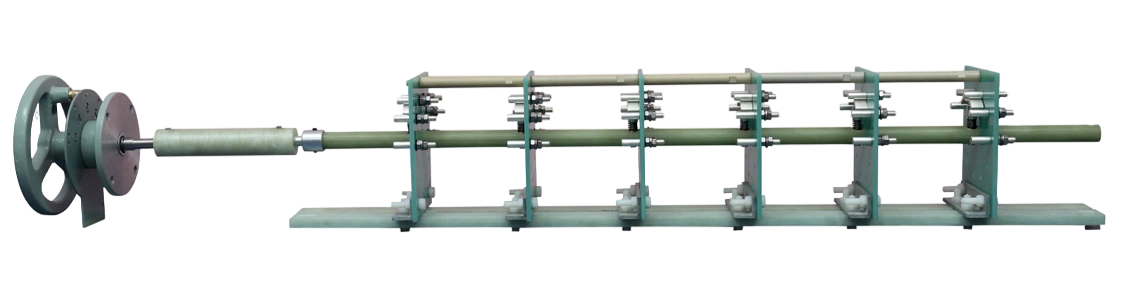
11 to 66kV
Electrical parameters | ||||||
Current Rating (A) | Voltage Variants | BIL kV/kVp | Max. Rated Step Voltage (Volts) | Max. Operating Position | ||
Single Pole | Voltage Level (kV) | Vector | Linear | Pre-Selector | ||
200 | 11, 22 & 33 | Y, D | 80/250 | 825 | 9 | 17 |
OC-S
S=Straight-Line
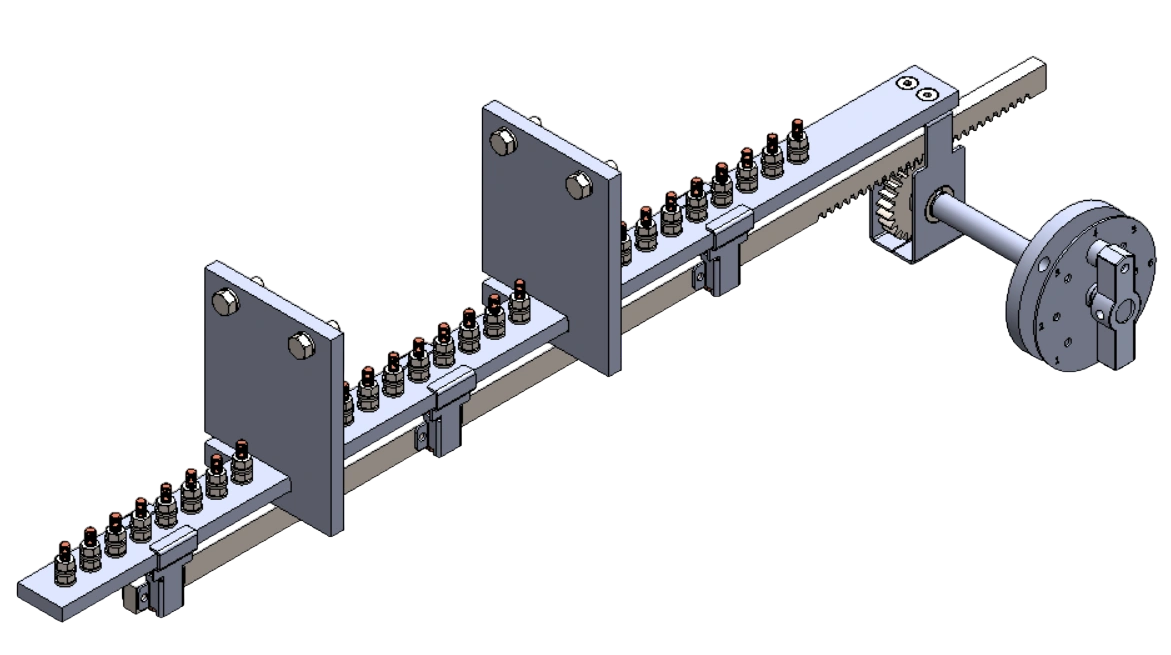
11 to 36kV
Electrical parameters | ||||||
Current Rating (A) | Voltage Variants | BIL kV/kVp | Max. Rated Step Voltage (Volts) | Max. Operating Position | ||
Single Pole | Voltage Level (kV) | Vector | Linear | Pre-Selector | ||
200 | 11, 22 & 33 | Y, D | 80/250 | 825 | 9 | 17 |
Distribution Transformers - frequently asked questions
How do OLTCs maintain voltage stability in distribution transformers?
OLTCs in distribution transformers automatically adjust winding taps under live conditions to stabilize consumer-side voltage. This prevents undervoltage and overvoltage events in the consumer-side networks.
Why are vacuum OLTCs increasingly adopted in urban distribution grids?
Vacuum OLTCs eliminate oil-based arcing, enabling compact designs with minimal maintenance. This is critical for densely populated substations where safety, space efficiency, and service continuity are priority requirements.
How does OLTC integration reduce lifecycle cost in distribution transformer fleets?
Automated tap regulation reduces manual intervention, oil replacement cycles, and unscheduled shutdowns. This improves transformer availability and lowers the total cost of ownership for utility operators.
Which OLTC technologies are applied in modern distribution transformer design?
D-VAC OLTC systems for dry-type transformers and V-Vac OLTCs for power transformers apply sealed vacuum switching for maintenance-free operation. At the same time, L-Type OLTCs are engineered for higher current duty distribution networks requiring robust voltage control.
When should DETC be selected for distribution transformer voltage control?
DETC solutions are selected where voltage settings remain stable for long periods, and adjustments can be completed during maintenance windows, offering a cost-efficient alternative to automated OLTC systems.
We provide a wide range of spares and accessories for your mission critical equipments. We are committed to provide best customer services to ensure smooth operations at all times
Our Clients