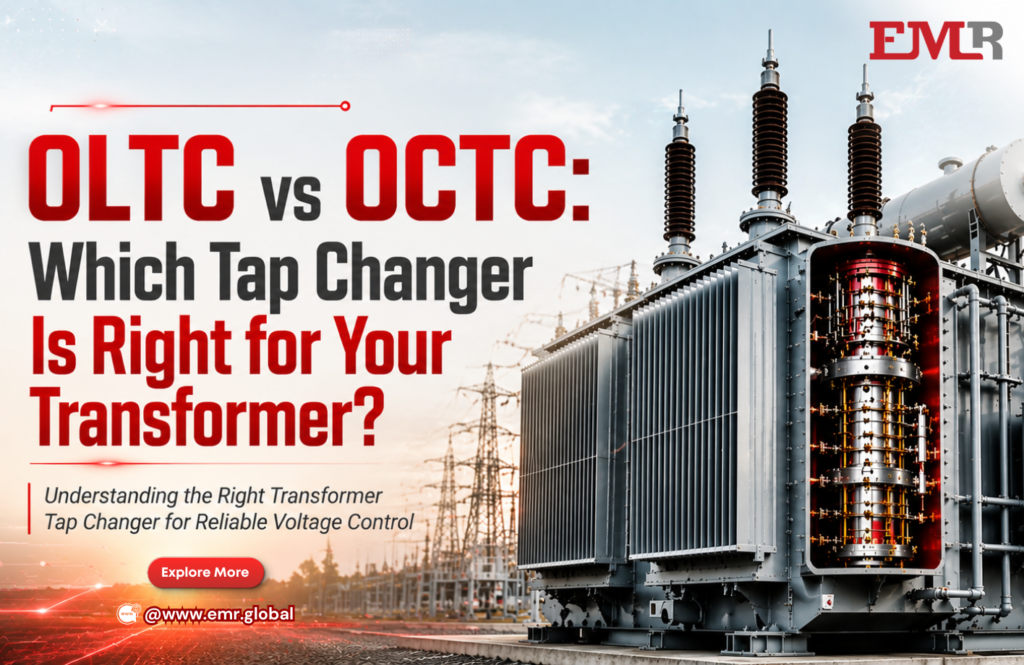
OLTC and OCTC is one of the most important comparisons in transformer technology for utilities, industrial plants, renewable energy systems, and power distribution networks. Choosing the right transformer tap changer directly impacts voltage stability, operational reliability, maintenance requirements, and long-term system efficiency.
That is why the comparison between OLTC and OCTC is so important.
Both technologies are designed to adjust transformer voltage levels, but they operate in very different ways and are suited for different applications. Understanding the difference between an on-load tap changer and an off-circuit tap changer helps engineers, OEMs, utilities, and industrial users select the most suitable solution for long-term operational performance.
What Is a Transformer Tap Changer?
A transformer tap changer is a device used to regulate output voltage by changing the number of turns in the transformer winding. Voltage fluctuations in power systems are common due to varying loads, network conditions, and operational demands.
Tap changers help maintain voltage within the required operating range and improve power quality.
Transformer tap changers are mainly classified into two types:
- OLTC (On-Load Tap Changer)
- OCTC (Off-Circuit Tap Changer)
The core difference lies in whether the tap position can be changed while the transformer remains energized.
What Is an OLTC?
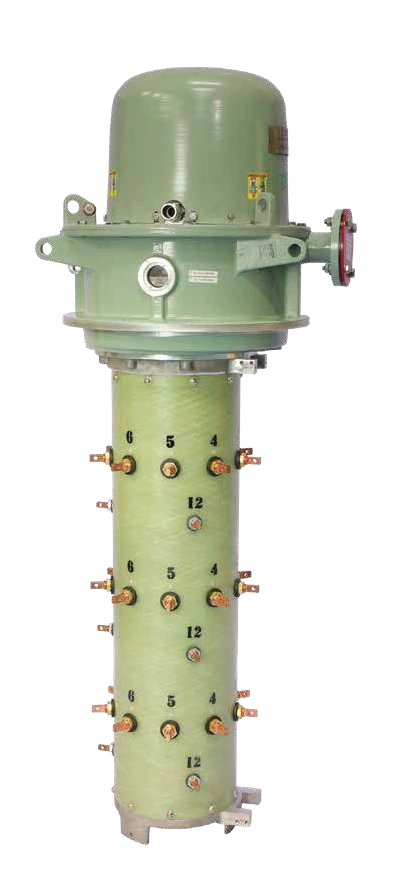
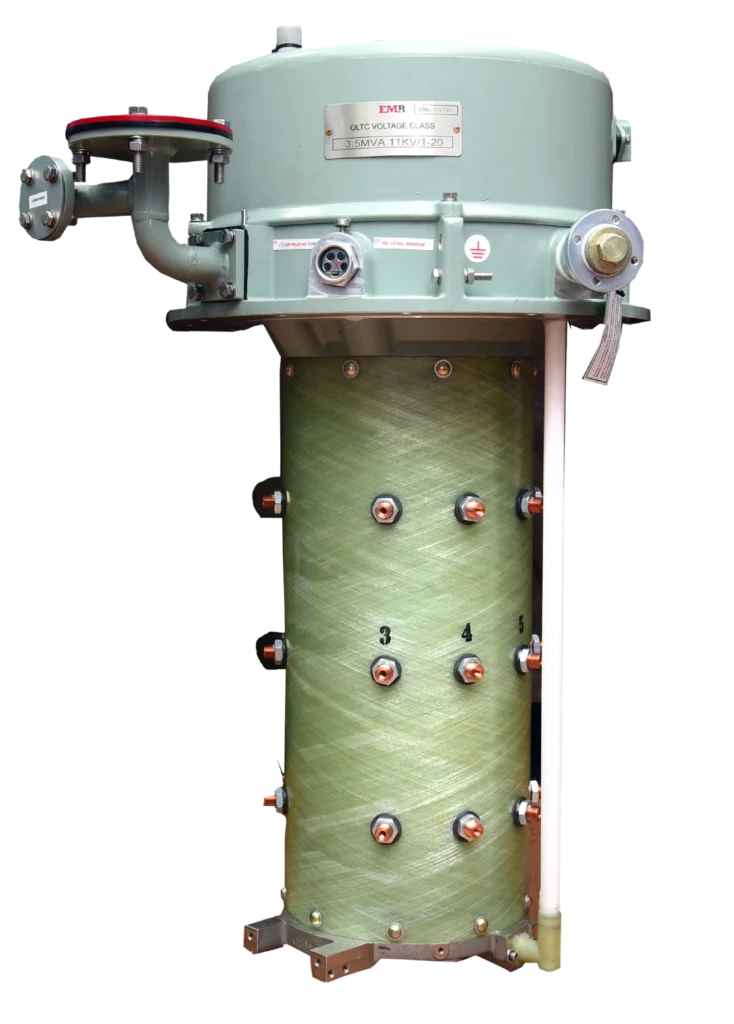
An On-Load Tap Changer (OLTC) allows tap position changes while the transformer remains energized and under load. This means voltage regulation can happen continuously without interrupting the power supply.
OLTC systems are commonly used in:
- Utility substations
- Power transformers
- Industrial plants
- Renewable energy systems
- Critical infrastructure networks
Because OLTC systems support live voltage regulation, they are ideal for applications where voltage fluctuates throughout the day.
Key Advantages of OLTC
Continuous Voltage Regulation
OLTC technology maintains a stable voltage even during changing load conditions.
No Supply Interruption
Tap changes occur without shutting down the transformer.
Better Network Stability
Improves voltage consistency across power systems.
Suitable for Dynamic Loads
Perfect for industries and utilities with fluctuating demand.
What Is an OCTC?
An Off-Circuit Tap Changer (OCTC) requires the transformer to be de-energized before changing the tap position. Unlike OLTC systems, OCTCs cannot perform live voltage adjustments.
OCTC systems are commonly used in:
- Distribution transformers
- Stable load applications
- Small industrial systems
- Installations with infrequent voltage correction
OCTCs are valued for their simplicity, lower upfront cost, and easier maintenance.
Key Advantages of OCTC
Lower Initial Investment
OCTC systems are more economical compared to OLTC solutions.
Simpler Design
Fewer moving components mean easier operation.
Reduced Maintenance Complexity
Maintenance requirements are generally lower.
Suitable for Stable Networks
Works well in environments with predictable voltage conditions.
OLTC vs OCTC: Major Differences
1. Operating Condition
The biggest difference in OLTC vs OCTC is operational capability.
- OLTC: Changes taps under load while energized
- OCTC: Requires shutdown before tap adjustment
2. Voltage Regulation
OLTC provides continuous voltage regulation, while OCTC supports only occasional adjustment.
3. Application Environment
OLTC is preferred for dynamic networks, whereas OCTC is better suited for stable load systems.
4. Cost Factor
OLTC systems involve higher investment due to advanced switching mechanisms and control systems.
OCTC systems are more affordable and suitable for cost-sensitive applications.
5. Maintenance Requirements
OLTC systems require periodic inspection and maintenance because of their switching operations.
OCTC systems are mechanically simpler and easier to maintain.
When Should You Choose OLTC?
OLTC is the right choice when:
- Voltage fluctuation is frequent
- Continuous operation is critical
- Load conditions change regularly
- Network stability is essential
- Downtime must be minimized
Industries such as utilities, heavy manufacturing, renewable energy, and transmission infrastructure typically prefer OLTC for power transformers.
Why OLTC Matters in Modern Power Systems
Modern electrical networks are becoming increasingly dynamic. Renewable integration, variable industrial loads, and growing energy demand require more advanced voltage control solutions.
This makes OLTC technology highly relevant for modern transformer applications.
When Should You Choose OCTC?
OCTC is suitable when:
- Voltage conditions remain relatively stable
- Tap changes are infrequent
- Planned shutdowns are acceptable
- Budget optimization is important
- Simplicity is preferred over automation
Distribution transformers and smaller industrial systems often use OCTC because real-time voltage correction may not be necessary.
Maintenance and Lifecycle Considerations
Another important factor in selecting between OLTC and OCTC is long-term lifecycle value.
While OLTC systems involve higher initial investment, they often deliver better operational reliability where voltage quality is critical.
OCTC systems may reduce upfront cost, but they do not provide the same flexibility for live voltage correction.
Utilities and industrial users must evaluate:
- Transformer loading patterns
- Voltage variation frequency
- Downtime sensitivity
- Maintenance planning
- Asset reliability goals
Choosing the right transformer tap changer is not just a technical decision — it is a long-term operational strategy.
How EMR Global Supports Transformer Tap Changer Solutions
At EMR Global, transformer tap changer selection is approached based on application requirements, load profile, operational criticality, and long-term asset performance.
EMR supports both OLTC and OCTC solutions for power and distribution transformer applications, helping customers improve voltage regulation, network stability, and operational reliability.
With increasing demand for dependable transformer performance, selecting the correct tap changer technology plays a major role in power system efficiency.
Conclusion
When comparing OLTC and OCTC, the best option depends on how the transformer operates in real-world conditions.
If your application requires continuous voltage regulation, high reliability, and uninterrupted performance, OLTC is typically the preferred solution.
If the system operates under stable conditions and voltage adjustment is only needed occasionally, OCTC may provide a practical and cost-effective alternative.
Understanding the operational differences between these technologies helps utilities, OEMs, and industrial users make smarter transformer investment decisions while improving long-term network reliability.